Core Competencies in AI/ML
Patterns of Life Analysis
- Extraction of typical operating behavior at varied temporal frequencies (days/months/seasons).
- Identification of anomalous behavior.
Projects
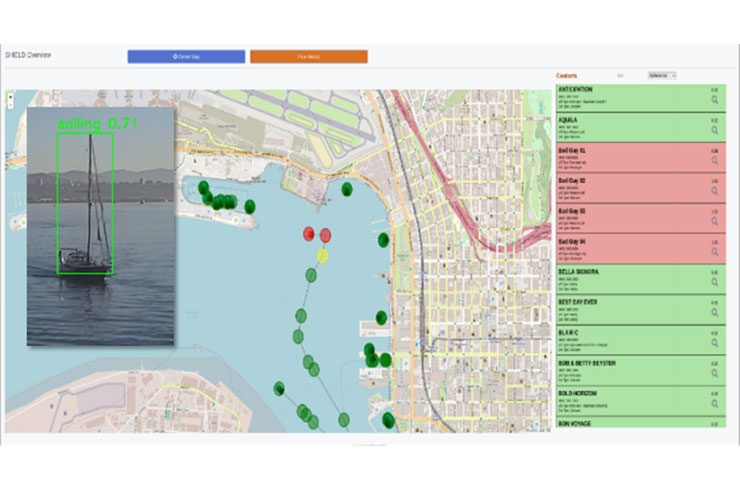
- SHIELD
- AM-SMART
Scalable Autonomy
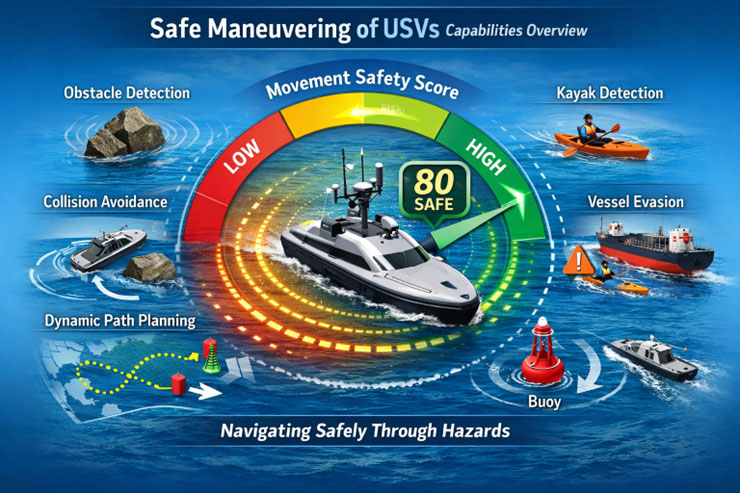
- Robust autonomy software to guide unmanned vehicles through uncertain environments.
- Distributed blue force resource allocation to optimize heterogenous unmanned vehicles.
Projects
- ABL (USV Maneuvering Ops)
- DISRUPTR

Intelligent Control Systems
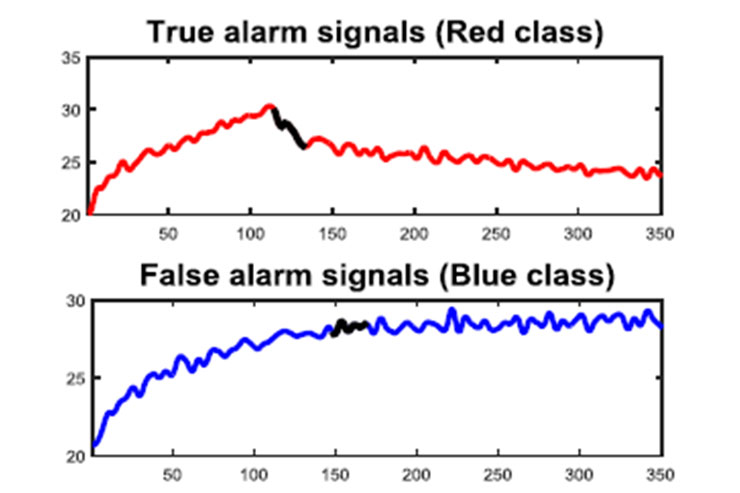
- Machine learning methods for high confidence fault detection in machinery control systems.
- Data imputation methods for correcting missing or noisy sensor data.
Projects
- Non-traditional Sensor Prognostic Device
- Intelligent Fault Diagnosis
- Realtime Reliability Analysis
- PROPEL

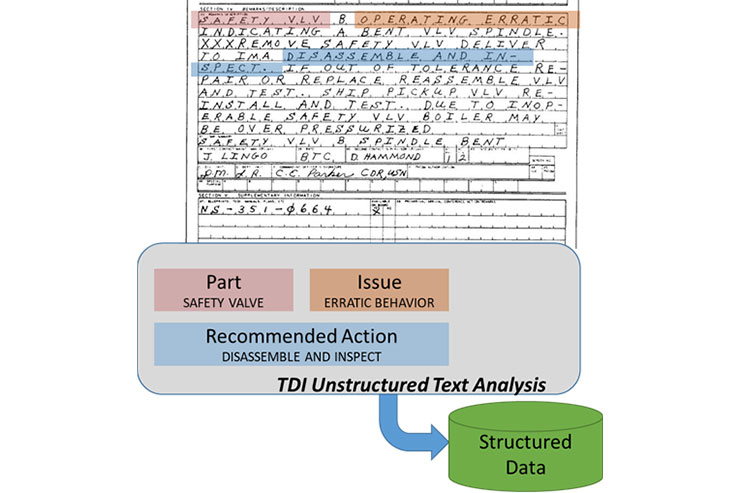
Natural Language Understanding
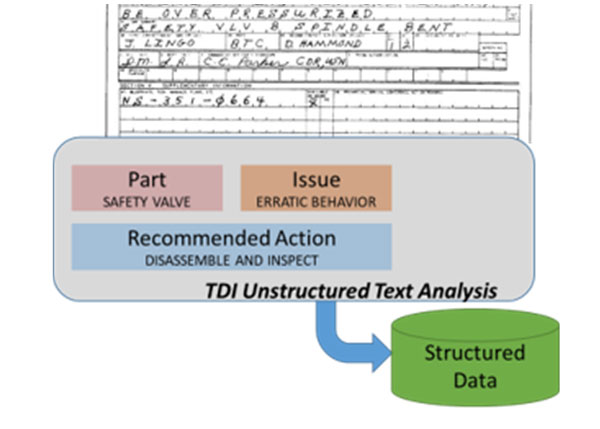
- Creation of structured data from unstructured text (e.g., maintenance reports).
- Voice input/output for unmanned systems.
- Automated training and logistics pipelines.
Projects
- CONSCIOUS
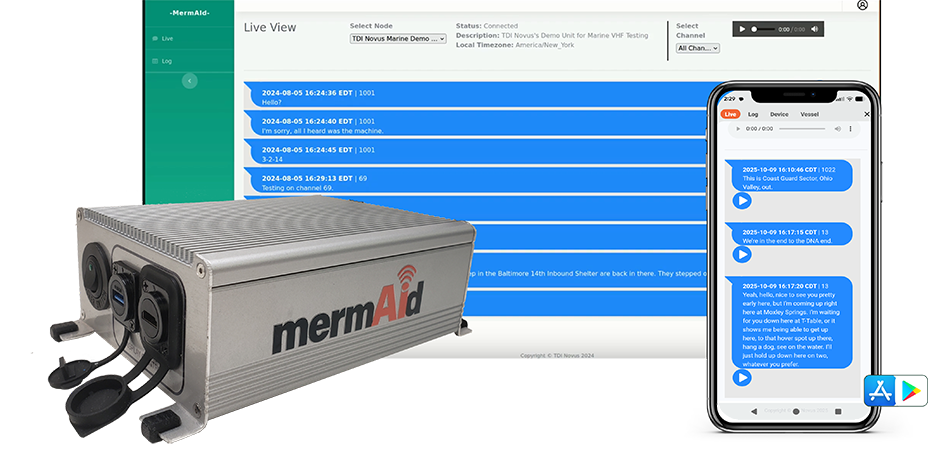
- MermAId
- ILS Robotic Process Automation
Core Competencies in CBM+
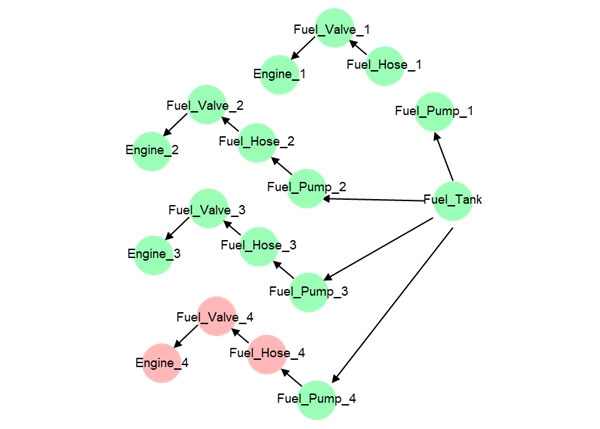
Fault Diagnosis
- Model-based diagnosis of faults for use on manned and unmanned systems.
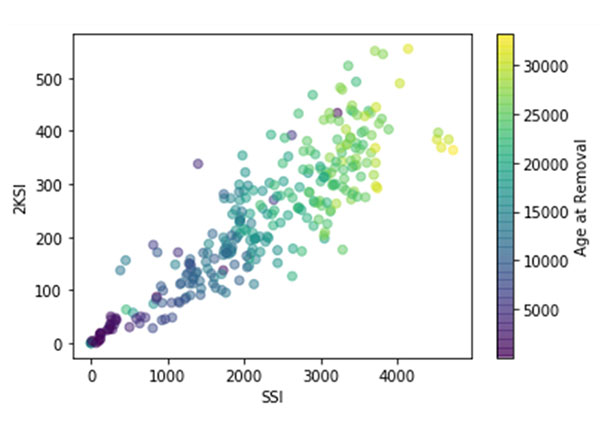
CBM+ Trend Analytics
- ML-based modeling to assess failure probabilities / Remaining Useful Life (RUL).
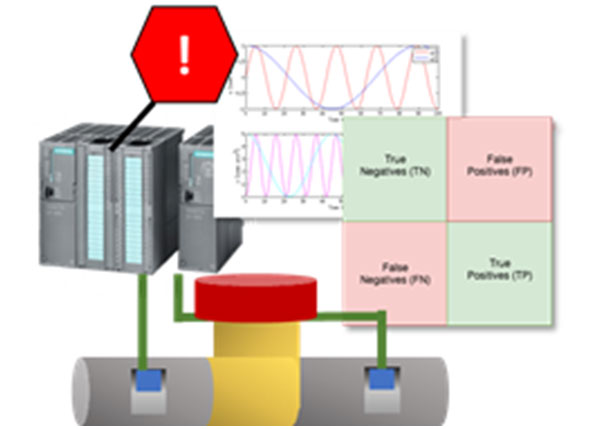
- Non-traditional sensing modalities to distinguish between normal operating patterns and anomalies.
Reliability Optimization
- Optimal control decisions that account for both mission level objects and the constraints of machinery reliability.
- Realtime reliability optimization to continually assess a platform’s likelihood to execute its mission.
Integrated Logistics Support
- Tools and processes to aid ashore logisticians and analysts to more quickly and effectively make readiness decisions.
TDI supported the 2021 VCNO Acceleration of CBM+ES as an end-to-end system into the fleet. TDI's work continues in development of shipboard analytics and machine learning models that provide maintenance recommendations in real time for the Enterprise Remote Monitoring (eRM) system, integration with the ship's Planned Maintenance System Scheduler (PMS SKED), and data warehousing with the Consolidated Machinery Assessment System (CMAS).
AI/ML Project Highlights
SHIELD
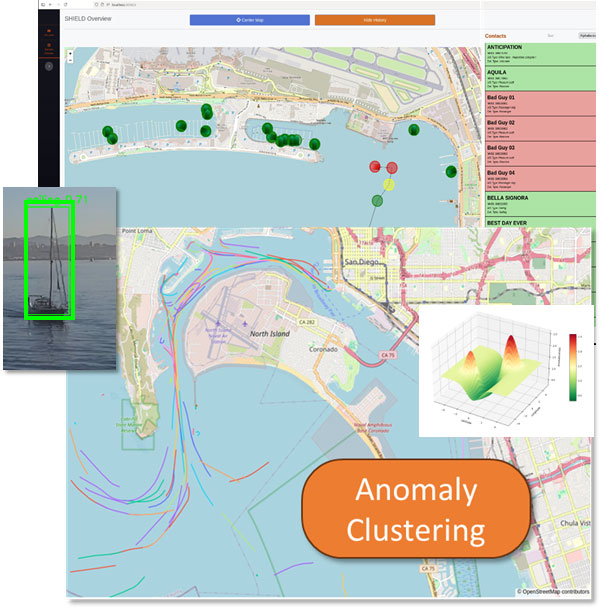
- Continuous anomaly detection for marine traffic in ports and harbors.
- ML-based clustering analysis that learns behavior patterns and assesses abnormality in real-time.
- Data fusion between multi-modal sensors.
- Performed demonstration with live sensors streams at NIWC PAC and successfully identified abnormal behavior.
- Operator GUI to explain anomaly decisions in human-centric terms.
CBM+
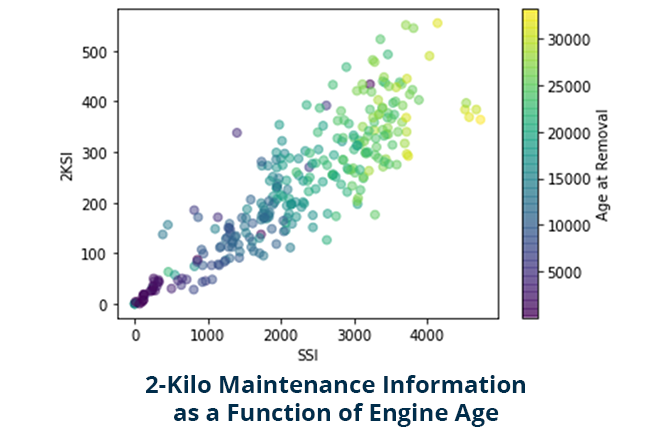
- Developed models to predict machinery Remaining Useful Life based on engine usage and maintenance records.
- Incorporated Large Language Models (LLMs) and Natural Language Processing (NLP) to automate Integrated Logistics Support (ILS), reducing time and costs by 3 orders of magnitude.
- Trained ML models on Enterprise Remote Monitoring (eRM) HM&E sensor data to augment or replace time-based maintenance paradigms.
mermAId

Commercialized SBIR Technology
- Ability to capture, transcribe, translate, and log marine VHF conversations across all channels.
- Notifies users when their vessel is being hailed on a particular VHF channel.
- Capability to create “triggers” which allows users to generate a response (verbal, API, audio notification) to incoming marine VHF messages.
- Domain-specific GenAI & LLMs to connect sensor to action.